Bangkok, Thailand
July 5 - July 9, 2026
Jointly with ICME
2026
Recent advances brought by Multimodal Large Language Model (MLLM), Multimodal Agents, and Embodied Intelligence have been powerful driving forces for art generation and understanding, drawing more and more attention from both academia and industry. Across creative fields, AI has already sparked new genres and experimentations in painting, music, film, storytelling, fashion and design. Researchers explore the human and AI co-creativity as well as the ethical implications of AI arts. AI has been applied to art historical research, cultural heritage revitalization, and media studies. The aesthetic value of AI generated content and AI’s impact on art appreciation have also been a contended subject in recent scholarship. AI has not only exhibited creative potential, but also stimulated research from diverse perspectives of neuroscience, cognitive science, psychology, literature, art history, media and communication studies. Despite all these promising features of AI for Art, we still have to face the many challenges such as the biases in AI models, lack of transparency and interpretability in algorithms, and copyright issues of training data and AI Art works.
This is the 8th AIART workshop to be held in conjunction with ICME 2026 in Bangkok, Thailand, and it aims to bring forward cutting-edge technologies and most recent advances in the area of AI art as well as perspectives from related disciplines.
The theme topic of AIART 2026 will be Multimodal Agents for AI Art. We plan to invite 5 keynote speakers to present their insightful perspectives on AI art.
We sincerely invite high-quality papers presenting or addressing issues related to AI art, including but not limited to the following topics:
The authors of selected high-quality papers will be invited to submit an extended version to the Machine Intelligence Research (MIR) journal published by Springer, and the Transactions on Artificial Intelligence (TAI) journal published by Scilight.
Additionally, Best Paper Award will be given.
AIART 2026 will continue to organize the 2nd AIART Gallery for artists to showcase their creative AI artworks in the form of in-person gallery. The AIART Gallery will provide a great opportunity for people to experience interactive artworks and communicate creative ideas.
Paper Submission
Authors should prepare their manuscript according to the Guide for Authors of ICME available at Author Information and Submission Instructions: https://2026.ieeeicme.org/author-information-and-submission-instructions/
Submission address: https://cmt3.research.microsoft.com/ICMEW2026
|
Submissions due
|
March 25, 2026
|
|
Workshop date
|
TBD
|
Keynote 1
Speaker:TBD
Keynote 2
Speaker:TBD
Keynote 3
Speaker:TBD
Keynote 4
Speaker:TBD
Keynote 5
Speaker:TBD
TBD
Beijing University of Technology
Beijing, China
ltmou@bjut.edu.cn
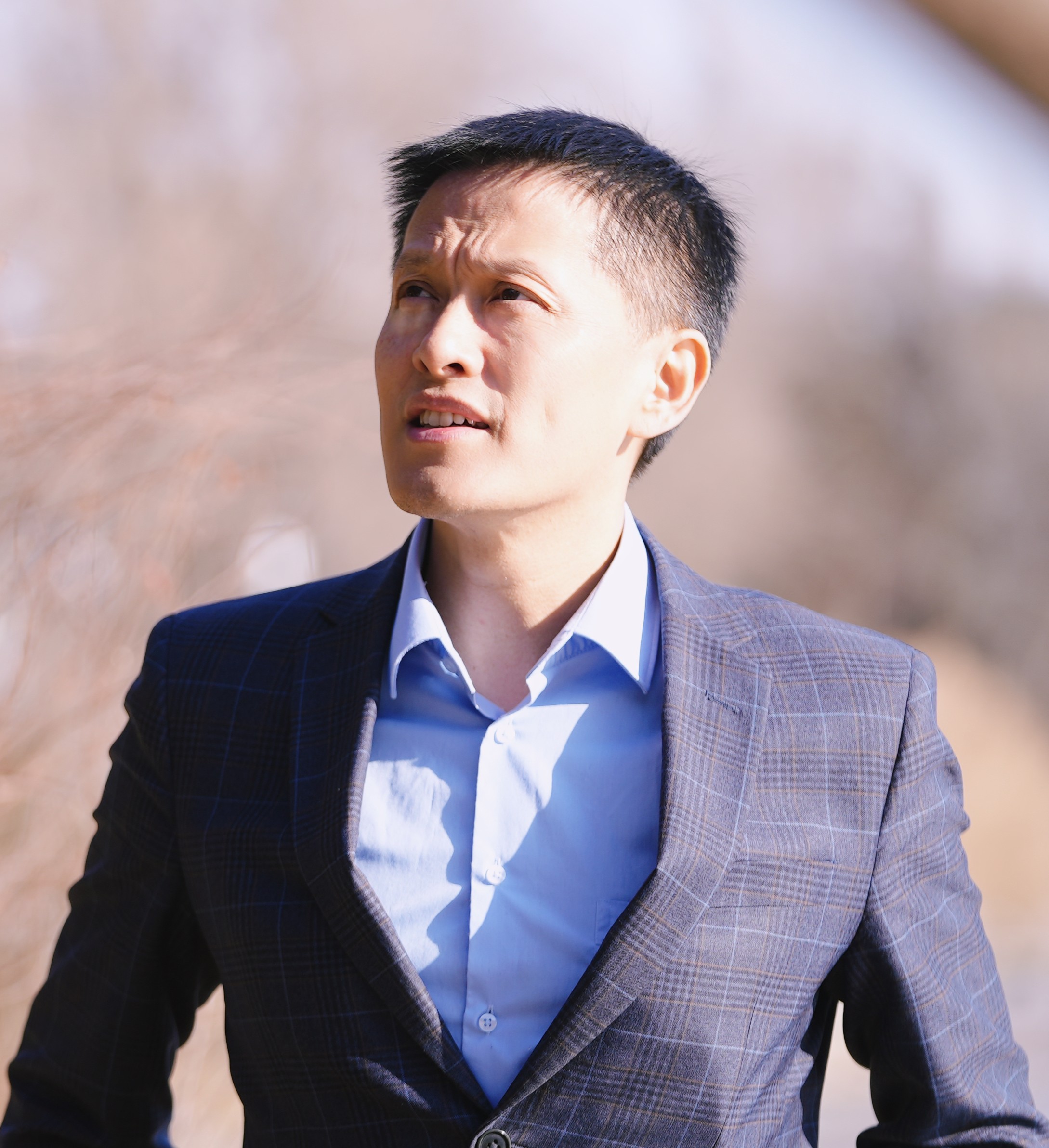
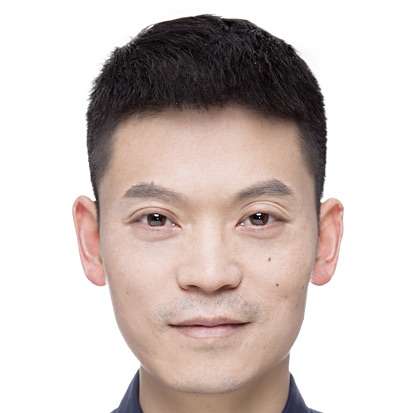
Dr. Luntian Mou is an Associate Professor with the School of Information Science and Technology, Beijing Institute of Artificial Intelligence (BIAI), Beijing University of Technology. He received the Ph.D. degree in computer science from the University of Chinese Academy of Sciences, China in 2012. He served as a Postdoctoral Fellow at Peking University, from 2012 to 2014. And he was a Visiting Scholar with the University of California, Irvine, from 2019 to 2020. He initiated the IEEE Workshop on Artificial Intelligence for Art Creation (AIART) in 2019, and has organized the workshop annually ever since. His current research interests include artificial intelligence, machine learning, multimedia computing, affective computing, and brain-like computing. He is the recipient of Beijing Municipal Science and Technology Advancement Award, IEEE Outstanding Contribution to Standardization Award, and AVS Outstanding Contribution on 15th Anniversary Award. He serves as a guest editor for Machine Intelligence Research, and a reviewer for many important international journals and conferences such as TIP, TAFFC, TCSVT, TITS, AAAI, etc. And he serves as a Co-Chair of System subgroup in AVS workgroup. He is a Senior Member of IEEE and CCF, and a Member of ACM, CAAI, and CSIG, and an Expert of MPEG China.
Peking University
Beijing, China
gaof@pku.edu.cn
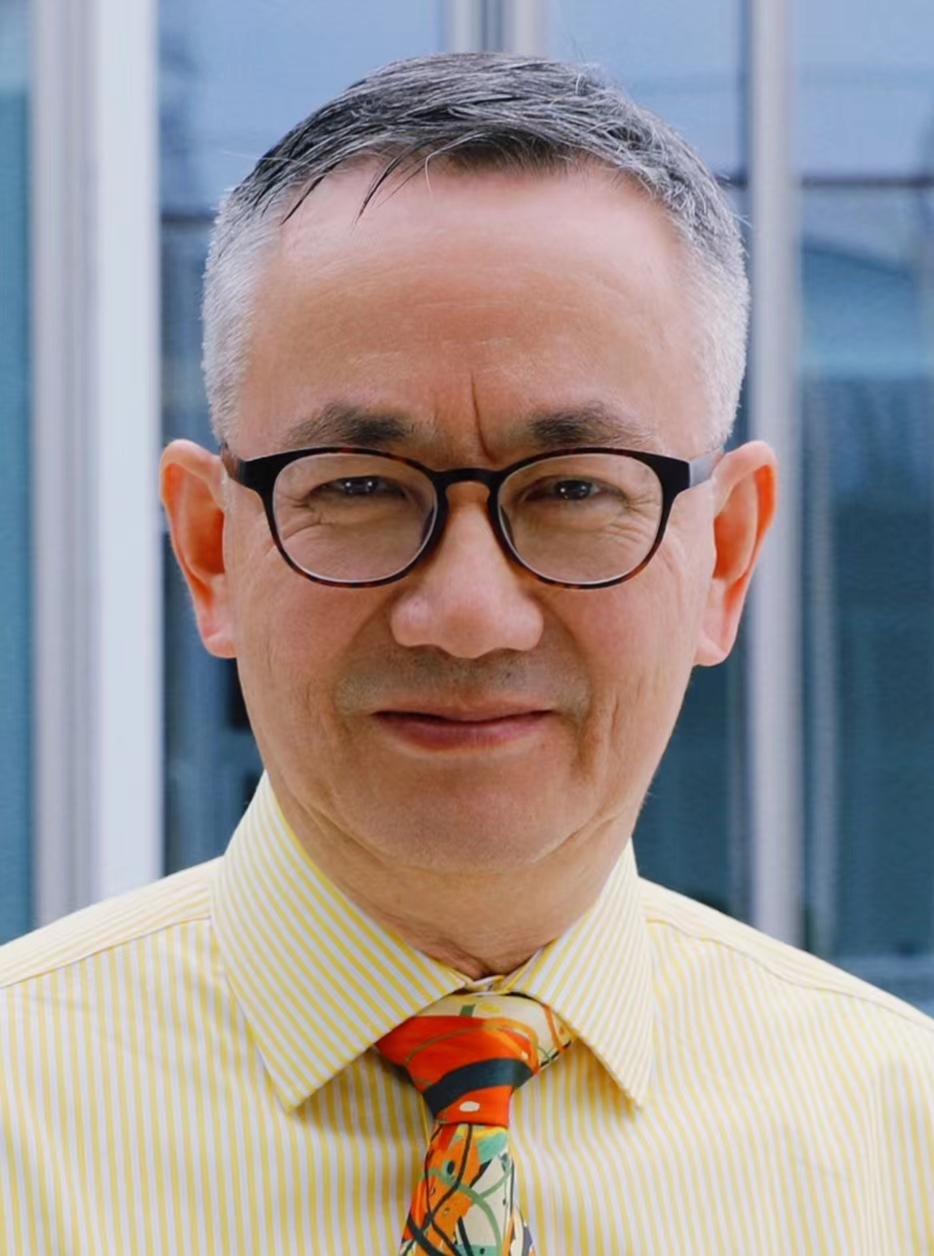
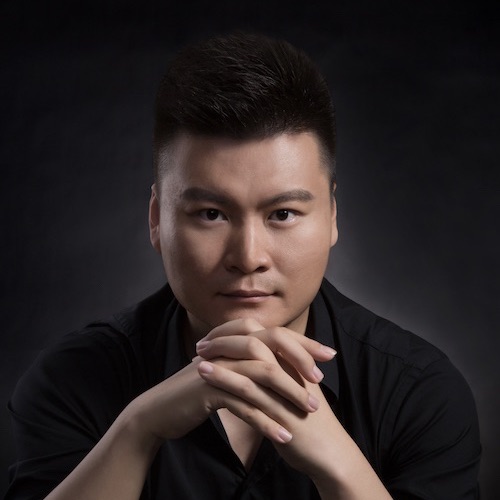
Dr. Feng Gao is an Assistant Professor with the School of Arts, Peking University. He has long researched in the disciplinary fields of AI and art, especially in AI painting. He co-initiated the international workshop of AIART. Currently, he is also enthusiastic in virtual human. He has demonstrated his AI painting system, called Daozi, in several workshops and drawn much attention.
Zhejiang University
Hangzhou, China
zhangkejun@zju.edu.cn
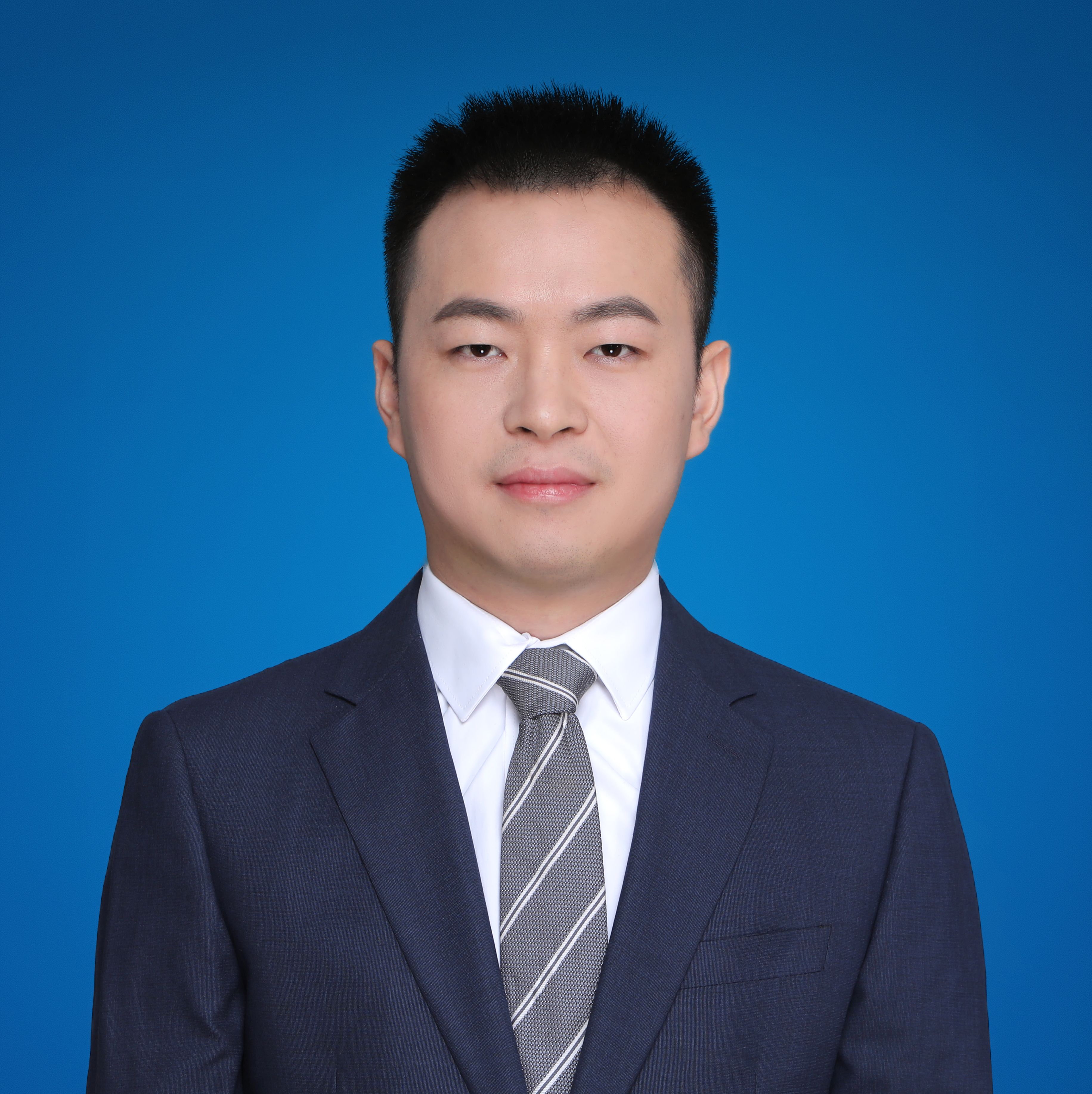
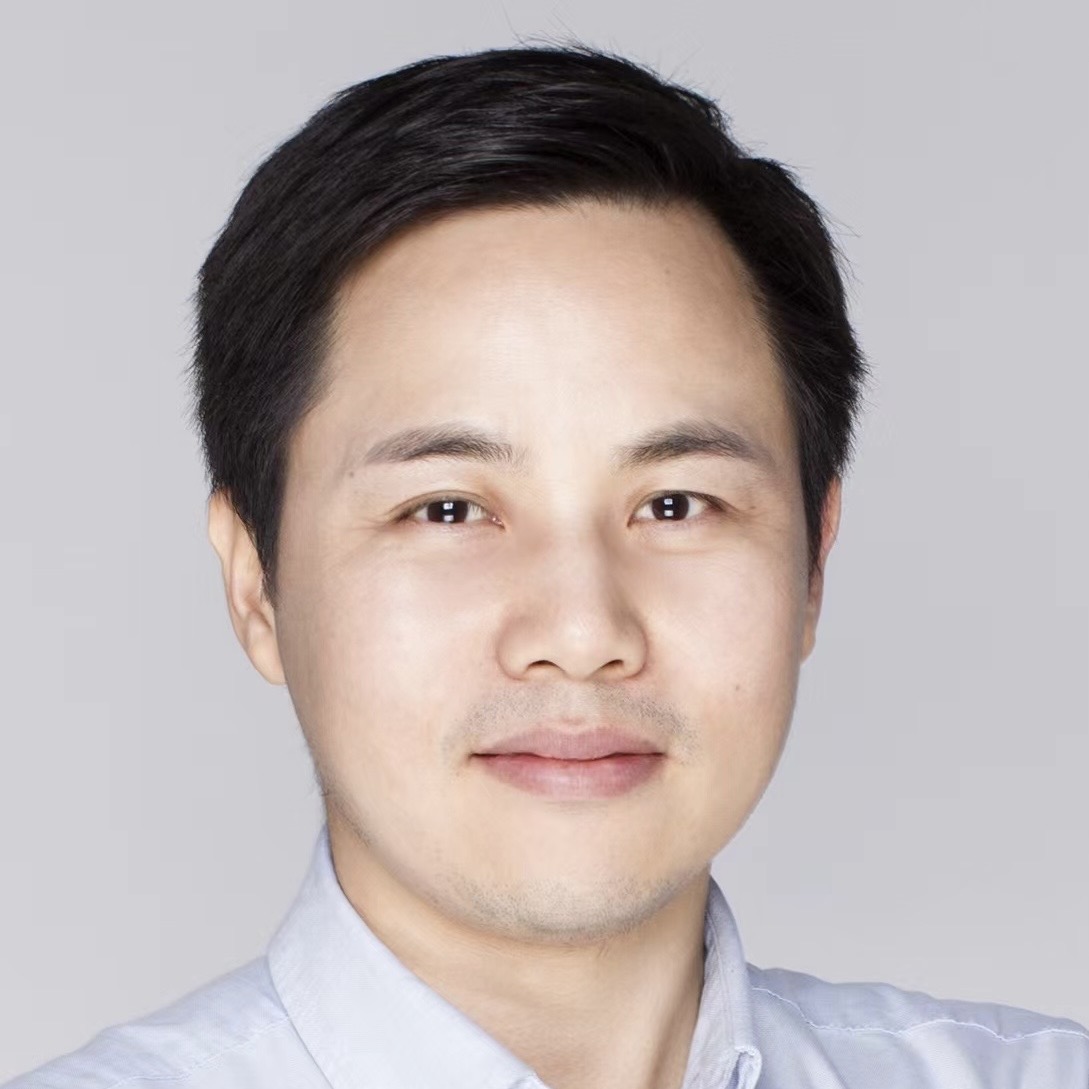
Dr. Kejun Zhang is a Professor with Zhejiang University, joint PhD supervisor on Design and Computer Science, Dean of Department of Industrial Design at College of Computer Science of Zhejiang University. He received his PhD degree from College of Computer Science and Technology, Zhejiang University in 2010. From 2008 to 2009, He was a visiting research scholar of University of Illinois at Urbana-Champaign, USA. In June 2013, he became a faculty of the College of Computer Science and Technology at Zhejiang University. His current research interests include Affective Computing, Design Science, Artificial Intelligence, Multimedia Computing and the understanding, modelling and innovation design of products and social management by computational means. He is now the PI of National Science Foundation of China, Co-PI of National Key Research and Development Program of China, and PIs of ten more other research programs. He has authored 4 books, more than 40 scientific papers.
Communication University of China
Beijing, China
haonancheng@cuc.edu.cn
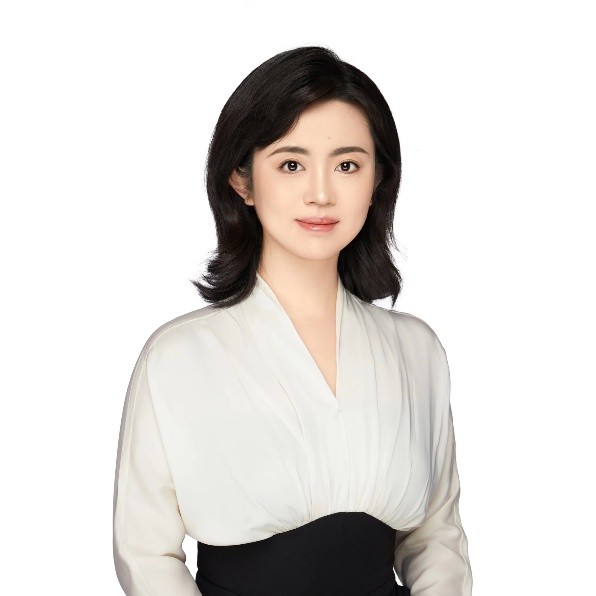
Dr. Haonan Cheng is a Professor with the State Key Laboratory of Media Convergence and Communication, Communication University of China, mainly focuses on audio information processing, audio-visual cross modal generation and forgery detection. She became the first technical expert in China to be awarded the Asia-Pacific Young Engineer Prize by ABU in 2024, and was selected for the Beijing National Governance and Young Talent Cultivation Program in 2025. In recent years, she has published more than 50 SCI/EI papers in IEEE TOG, TIFS, TASLP, SIGGRAPH, IEEE VR, IJCAI, AAAI, ACM MM, etc. She has been authorized 2 national invention patents, and won the Excellent Paper Award in the 5th CSIG China Media Forensics and Security Conference, and Best Poster Paper Award in the 20th International Forum on Digital Multimedia Communications. She was funded by more than 10 projects, including National Natural Science Foundation of China, National Key R&D Program, National Social Science Foundation of China, and Medium and Long-term Science and Technology Program for Radio, Television and Audiovisual Network, etc. She serves as a member of the Multimedia Specialized Committee of the Chinese Society of Image and Graphics, the Program Chair of the International Forum on Digital Multimedia Communications, the Forum Chair of the China Multimedia Conference, and the Session Chair of ACM MM and other international conferences.
Australian Government
Australian Capital Territory, Australia
ambarish.natu@gmail.com
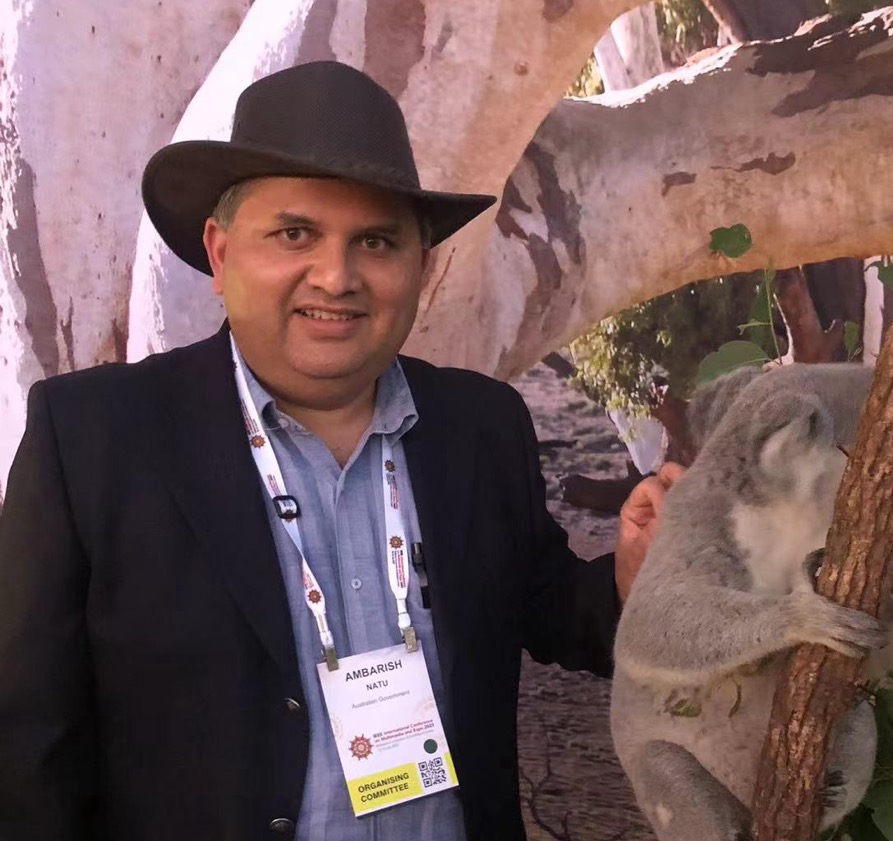
Dr. Ambarish Natu is with the Australian Government. After graduating from University of New South Wales, Sydney, Ambarish has held positions as a visiting researcher in Italy and Taiwan, worked for industry in United Kingdom and the United States of America and for the past ten years has been working in the Australian Government. For the past 17 years, Ambarish has led the development of five international standards under the auspices of the International Standards Organization (ISO) popularly known as JPEG (Joint Photographic Experts Group). He is the recipient of the ISO/IEC certificate for contributions to technology standards. Ambarish is highly active in the area of international standardization and voicing Australian concerns in the area of JPEG and MPEG (Motion Pictures Experts Group) standardization. He previously initiated an effort in the area of standardization relating to Privacy and Security in the Multimedia Context both within JPEG and MPEG standard bodies. In 2015, Ambarish was the recipient of the prestigious Neville Thiele Award and the Canberra Professional Engineer of the Year by Engineers Australia. Ambarish currently works as an ICT Specialist for the Australian Government. Ambarish is a Fellow of the Australian Computer Society and Engineers Australia. Ambarish also serves on the IVMSP TC and the Autonomous Systems Initiative of the IEEE Signal Processing Society. Ambarish has also been General Chair of DICTA 2018, ICME 2023 and TENSYMP 2023 in the past. Ambarish has keen interest in next generation data and analytics technologies that will change the course of the way we interact with in the world.
Stanford University
California, USA
grwang@stanford.edu
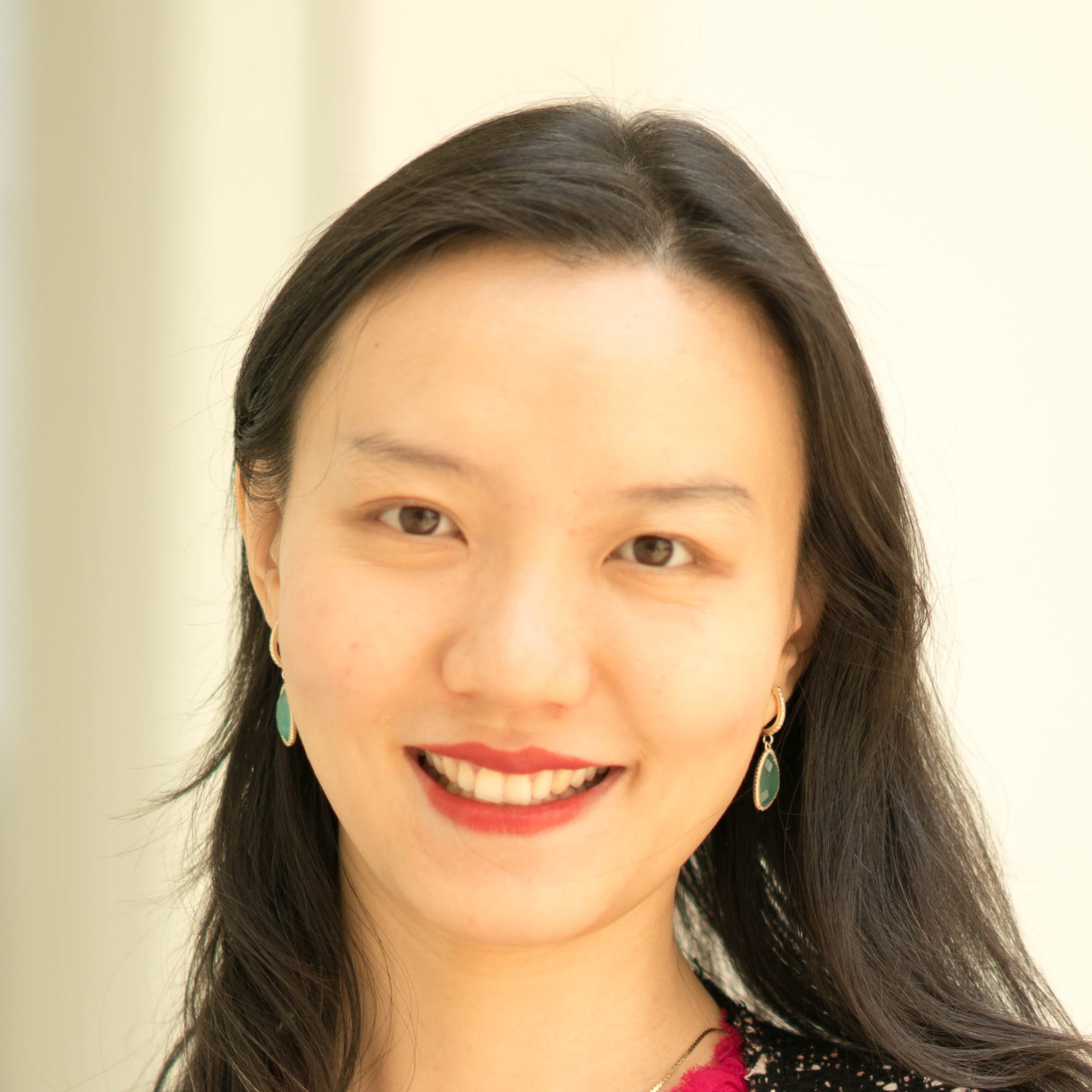
Dr. Gerui Wang is a Lecturer at Stanford University Center for East Asian Studies, where she teaches classes on contemporary art, AI and posthumanism. Her research interests span arts, public policy, environment, and emerging technologies. She is a member of the Alan Turing Institute AI&Arts Research Group. With her background in art history, she has published in the Journal of Chinese History and Newsletter for International China Studies. Gerui's book Sustaining Landscapes: Governance and Ecology in Chinese Visual Culture is forthcoming in 2025. Her research briefs on AI, robotics, media, and society are frequently featured in public venues including Forbes, Alan Turing Institute's AI and Art Forum, Asia Times, and South China Morning Post. Gerui holds a doctorate in art history from the University of Michigan.
Tezign.com
Tongji University Design Artificial Intelligence Lab
Shanghai, China
lfan@tongji.edu.cn
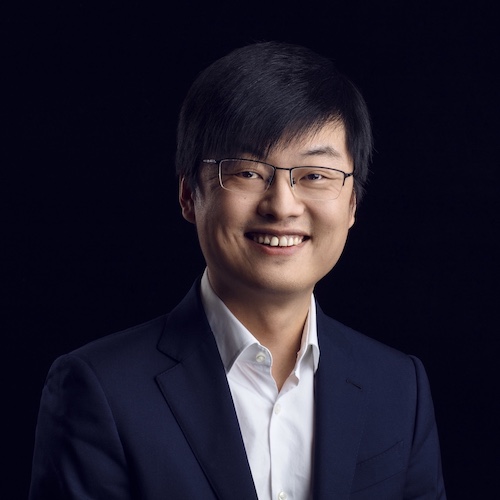
Dr. Ling Fan is a Scholar and Entrepreneur to bridge machine intelligence with creativity. He is the founding chair and professor of Tongji University Design Artificial Intelligence Lab. Before, he held teaching position at the University of California at Berkeley and China Central Academy of Fine Arts. Dr. Fan co-founded Tezign.com, a leading technology start-up with the mission to build digital infrastructure for creative contents. Tezign is backed by top VCs like Sequoia Capital and Hearst Ventures. Dr. Fan is a World Economic Forum Young Global Leader, an Aspen Institute China Fellow, and Youth Committee member at the Future Forum. He is also a member of IEEE Global Council for Extended Intelligence. Dr. Fan received his doctoral degree from Harvard University and master's degree from Princeton University. He recently published From Universality of Computation to the Universality of Imagination, a book on how machine intelligence would influence human creativity.
University of the Arts London
London, The United Kingdom
t.broad@arts.ac.uk
Dr. Terence Broad is an Artist and Researcher working in London. He is a Senior Lecturer at the UAL Creative Computing Institute and has recently completed a PhD at Goldsmiths in generative AI. His art and research have been presented internationally: at conferences and journals such as SIGGRAPH, Leonardo, NeurIPS, and ICCC; and museums such as The Whitney Museum of American Art, Garage Museum of Contemporary Art, Ars Electronica, The Barbican and The Whitechapel Gallery. In 2019 He won the Grand Prize in the ICCV Computer Vision Art Gallery. His work is in the city of Geneva’s contemporary art collection.
TBD
TBD
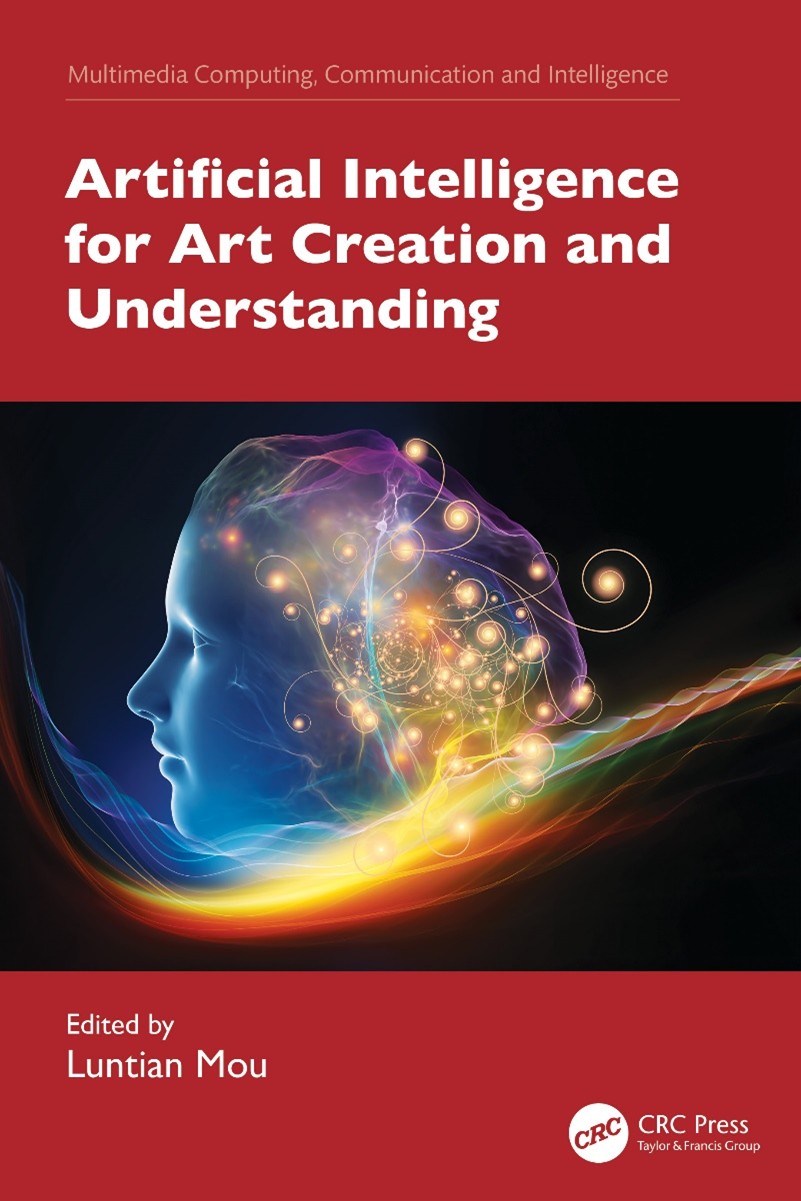
eBook Published: 29 August 2024
Imprint: CRC Press
DOI:
https://doi.org/10.1201/9781003406273
ABSTRACT
AI-Generated Content (AIGC) is a revolutionary engine for digital content generation. In the area of art, AI has achieved remarkable advancements. AI is capable of not only creating paintings or music comparable to human masterpieces, but it also understands and appreciates artwork. For professionals and amateurs, AI is an enabling tool and an opportunity to enjoy a new world of art.
This book aims to present the state-of-the-art AI technologies for art creation, understanding, and evaluation. The contents include a survey on cross-modal generation of visual and auditory content, explainable AI and music, AI-enabled robotic theater for Chinese folk art, AI for ancient Chinese music restoration and reproduction, AI for brainwave opera, artistic text style transfer, data-driven automatic choreography, Human-AI collaborative sketching, personalized music recommendation and generation based on emotion and memory (MemoMusic), understanding music and emotion from the brain, music question answering, emotional quality evaluation for generated music, and AI for image aesthetic evaluation.
The key features of the book are as follows:
This book is dedicated to the international cross-disciplinary AI Art community: professors, students, researchers, and engineers from AI (machine learning, computer vision, multimedia computing, affective computing, robotics, etc.), art (painting, music, dance, fashion, design, etc.), cognitive science, and psychology. General audiences can also benefit from this book.
Purchase Links: